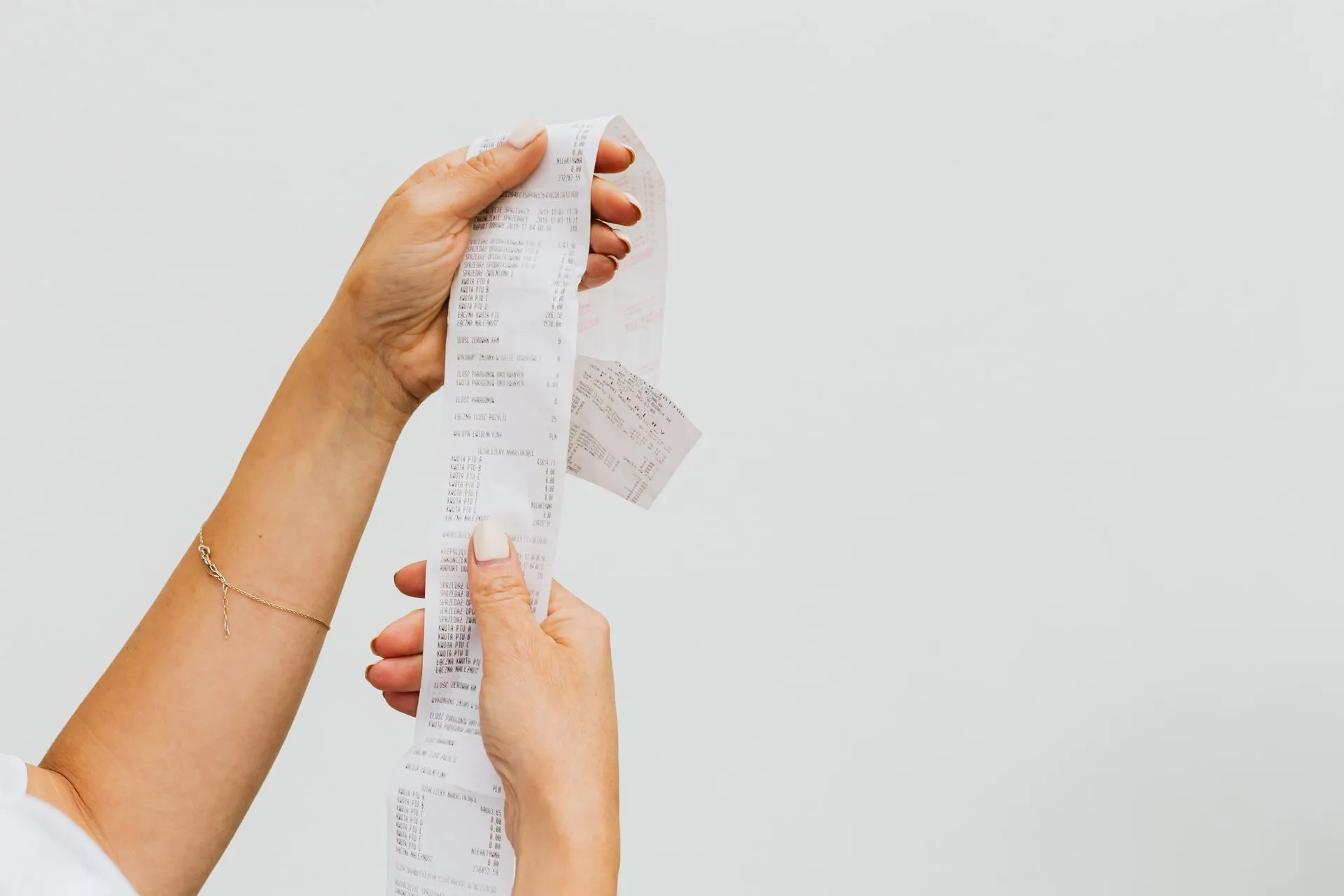
The headline says inflation is cooling. The receipt says otherwise.
Both are true. The Consumer Price Index rose 3.7% in September from a year earlier, according to the Bureau of Labor Statistics. That’s down from the 9.1% peak in June 2022, which is what “cooling” means. Prices are still rising, more slowly. The increases since 2020 are still in the prices you pay today.
The rate of increase can slow while the level of prices stays high. That’s why everything still feels expensive when the inflation news improves. Households pay the level.
The rate is a speed. The level is a height.
The inflation rate compares this year’s prices with last year’s. It’s a speed: how fast the number is moving.
The price level is what things cost right now. It’s a height, and it doesn’t come down when the speed does.
The CPI index was 257.971 in January 2020 and 336.940 in September 2026. That’s a 30.6% increase, compounded one month at a time. A basket of goods that cost $100 in January 2020 cost about $131 in September. An apartment that rented for $1,500 in 2020 would rent for roughly $2,000 at today’s shelter index.
A slower rate is not a lower price. Something that rises 5%, then 4%, then 3% has not become cheap again. It’s up 12.5% and staying there. Deflation is the only thing that brings the level down, and it usually arrives with a recession and layoffs.
See what your own numbers look like over the next decade: inflation impact calculator.
Why “cooling” doesn’t reach your budget
Even at a normal 3%, prices rise on top of last year’s rise. CPI inflation has stayed above the Fed’s 2% target every year since 2021. No single one of those years looked like an emergency. Together they compounded into the level you pay now.
The averages hide how uneven it is. Since January 2020, food at home is up about 32%, rent is up about 33%, and motor vehicle insurance is up about 48%. Insurance is down 5% over the past year. A 5% cut on a premium that’s up 48% is a rounding error with good public relations.
The categories that reset once a year (a lease, an insurance renewal, a childcare contract) jump in a step and don’t step back. A raise arrives when it arrives. The cost increase is already locked in.
Why it feels worse than the average
Average hourly earnings are up about 33% since January 2020, a hair ahead of prices, according to BLS wage data. Over the past year they’re up 3.0% while prices rose 3.7%.
The average raise has mostly replaced buying power that inflation took. It doesn’t feel like a raise because, in real terms, it barely is one.
Averages also hide the part that matters: job changes, hours, geography, and whether your rent went up 3% or 30%. The national number is a useful signal. It is not your budget.
Debt is different. Inflation erodes the real value of a fixed balance, but that only helps if your income keeps pace. A credit card charging 22% is unaffected by what CPI did. The payment takes a larger share of a paycheck that may have grown more slowly, and the balance itself doesn’t shrink.
Cash earning less than 3.7% is losing purchasing power, even when the balance looks fine. Know what your cash is earning, and don’t chase yield with money you need next month.
What helps
Track your basket, not the headline. Pick the four categories that eat most of your income (housing, food, insurance, childcare) and compare this year’s actual bills with last year’s. If your personal inflation is 6% while CPI is 3.7%, work from your number.
Size your emergency fund to this year’s expenses. Six months of $4,200 in essential spending is $25,200, not the $20,400 you set two years ago. A cushion sized to old prices runs out early, which is exactly when you need it most. Our emergency-fund calculator takes about a minute.
Pay the high-interest debt first. Paying off a 22% card is a guaranteed 22% return, tax-free and risk-free. No inflation hedge beats that. Run your balances through the debt payoff calculator or read avalanche vs. snowball if you’re deciding on an order.
Keep the savings rate. If you stop contributing because everything feels expensive, you lock in the loss and skip the years that would have compounded. The savings-rate estimator shows what your current rate maps to; the compound calculator shows what stopping costs.
Don’t wait for 2019 prices. They aren’t coming back without a recession you’d rather avoid. Waiting to buy a car or a house because prices “should” fall is a forecast, and the need keeps running in the meantime. Buy when you need it and can afford it. If affording it requires a high-interest card, that’s the real problem to solve first.
The part you control
You can’t set CPI, and you can’t negotiate the national average. You can control the order you pay things, the share of your income you save, and whether a bad month turns into a crisis.
Put your own numbers into the inflation impact calculator and see what today’s prices do to your savings over the next decade. Then decide what to change this month, not after the next CPI report.