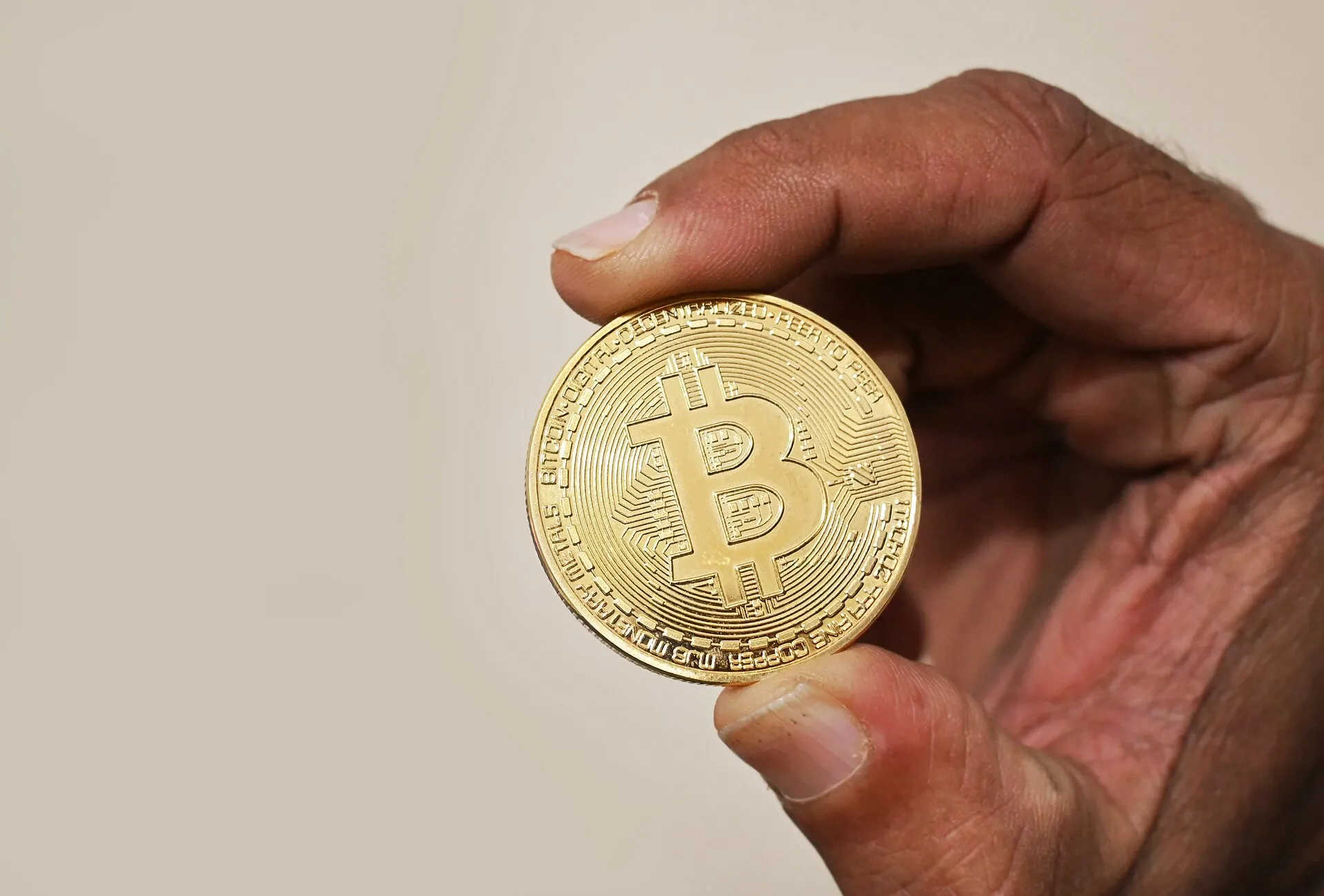
So is bitcoin gambling? Not the way a casino is — there’s no fixed house edge you’re playing against — but it’s much closer to gambling than to investing. The difference isn’t subtle, and it’s why people can hold something genuinely useful and still lose money they meant to keep.
Most crypto talk comes in two flavors: “we’re early” and “you’ll lose everything.” Both are useless if you’re trying to decide what to do with your own money. The honest version sits in the middle, and it’s still uncomfortable: buying any coin is a bet on price, not a stake in something that earns.
What a coin is
An index fund owns businesses, and those businesses earn money whether or not a new buyer shows up tomorrow. A coin earns nothing. You profit only if someone pays you more than you paid. That’s the whole game.
That doesn’t make crypto casino gambling. A casino runs on fixed odds with a house edge. Crypto has unknown odds and no house. That can run in your favor for a while and then hurt badly, because you’re playing against everyone who bought later than you and everyone who sells before you do.
What about bitcoin specifically?
Bitcoin is the coin that most needs this section, because it wears its safety best. It’s the oldest, the biggest, and the most liquid, with exchanges, futures, and ETFs wrapped around it, so it’s the least likely to go to zero of anything in crypto and the easiest to hold without drama. None of that changes the core fact: bitcoin produces nothing. Its price is whatever the next buyer will pay, so the question “is bitcoin gambling?” gets the same honest answer as the rest of crypto — it’s a price bet, sized small if you own any at all.
Pick your number before you buy
Before you buy anything, choose the amount you could lose without wincing. That’s your stake. The charts, the whitepapers, and what your friend’s cousin says are noise.
A realistic version of “I can afford this”: an emergency fund in place, high-interest debt gone, steady money going into boring index funds every month. Then a slice of what you invest, say 1-5%, can be crypto money.
Size the stake by how you’d feel, not by what you’ll make. If it went to zero and you’d shrug, you got it right. If the number makes your stomach drop, it’s too big. Resize now, before you’ve bought anything.
What happens after it drops 60%
Buying is the easy part. The real test is what you do after it drops 60%.
The people who made money in crypto mostly bought, held for years through brutal drawdowns, and cashed some out at the top. The people who lost money bought at the top, panicked on the way down, sold, then bought again at the next top. Same coin, opposite results. The difference was behavior, not market smarts — the same pattern that makes active traders underperform a plain index fund.
So be honest with yourself. Can you watch your number halve and do nothing? If you can’t, size it smaller or skip crypto entirely. Skipping is a fine decision.
The best argument for owning a little
It comes down to a bet on the other team. A savings account, a stock index fund, and a 401(k) are all dollar claims. They do fine as long as the dollar holds its value, and that’s a real “as long as.” The U.S. left the gold standard in 1971, and since then the dollar has lost value every year to inflation with nothing obligating it to stop. What Getting Off the Gold Standard Did to House Prices tells that story through what it did to home prices once the anchor was gone, and interest rates are the price of money shows why every dollar claim bends when the one number moves.
A crypto position of 5% or less is the hedge against that. The dollar isn’t automatically safe, and if fiat money ever wobbles badly, you own something outside the dollar. A slice this size is cheap insurance, not a way to get rich.
Size stays small for the same reason insurance premiums stay small. A hedge is supposed to sit quietly in the background, not become your retirement plan. The moment your stake is big enough to matter if it fails, it’s not a hedge anymore.
So should you buy some?
Most people shouldn’t own crypto, and the people who should own very little. You’re not behind if you sit it out.
If you do buy, keep the stake small enough to lose and leave it alone for years. That’s the closest thing to investing crypto offers. Anything bigger, or anything you check hourly, is entertainment. Price it like entertainment, not like a retirement plan.
This is the far end of the risk trade-off from How Money Actually Works: higher returns come with higher risk, and not all risk pays. Crypto is the wildest risk a normal person can take. Next to it sits the calm end: a broad index fund that rides the invisible hand, collecting a share of everything that earns. The sensible mix is boring money in the market and, small enough to lose, a slice of the bet that isn’t.