Why Profitable Companies Still Lay People Off
Record profits and mass layoffs look like a contradiction. The explanation isn't greed. It's a set of incentives built into public markets. Here's how it works, and what it means for your money.
Tag
9 articles

Record profits and mass layoffs look like a contradiction. The explanation isn't greed. It's a set of incentives built into public markets. Here's how it works, and what it means for your money.

Adam Smith's invisible hand is coordination nobody designed — the most quoted idea in economics and the most misquoted. Here's what it actually means, where it breaks down, and what to do about it.
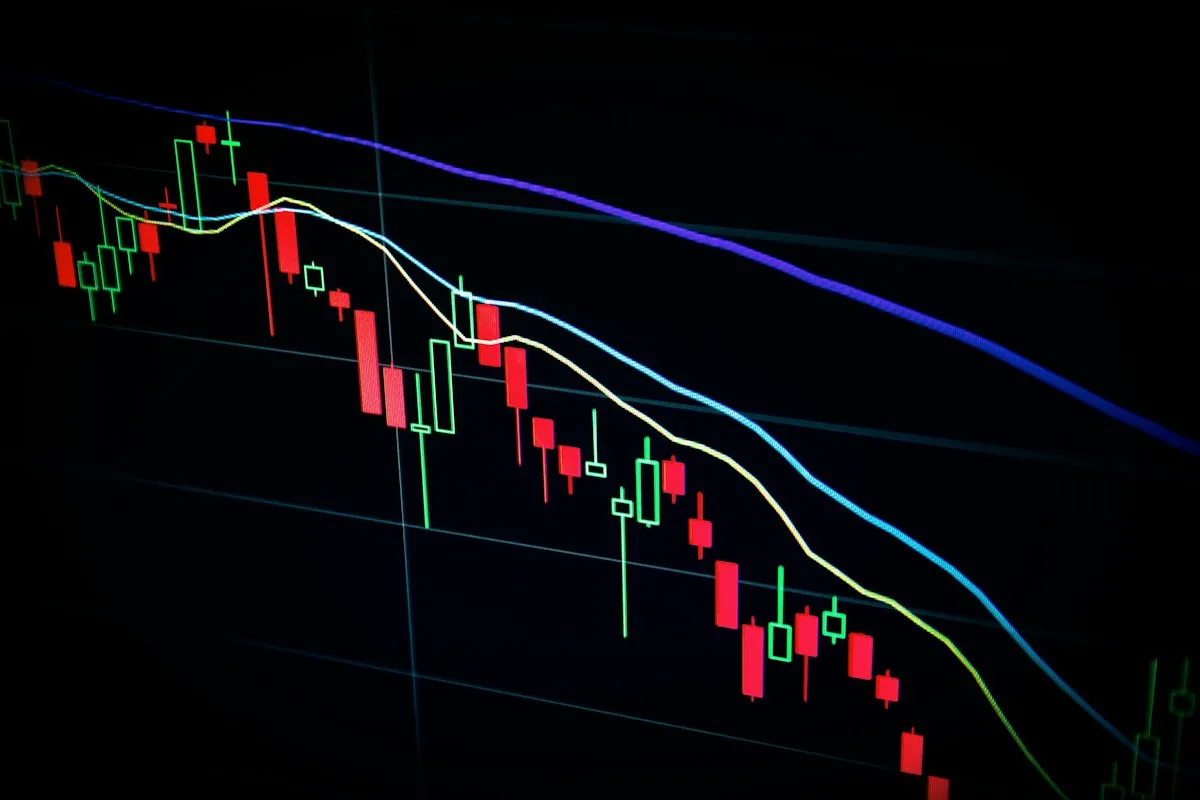
You can't time the market, so let the calendar do it: regular investing buys more when prices are low, and a 401(k) does this for you automatically. Here's the mechanism, the honest tradeoff, and the one rule that survives every cycle.

The Fed's rate is the price of money: one number that decides your mortgage, your savings yield, and what a startup is worth. Here's the mechanism, and what to do about it.
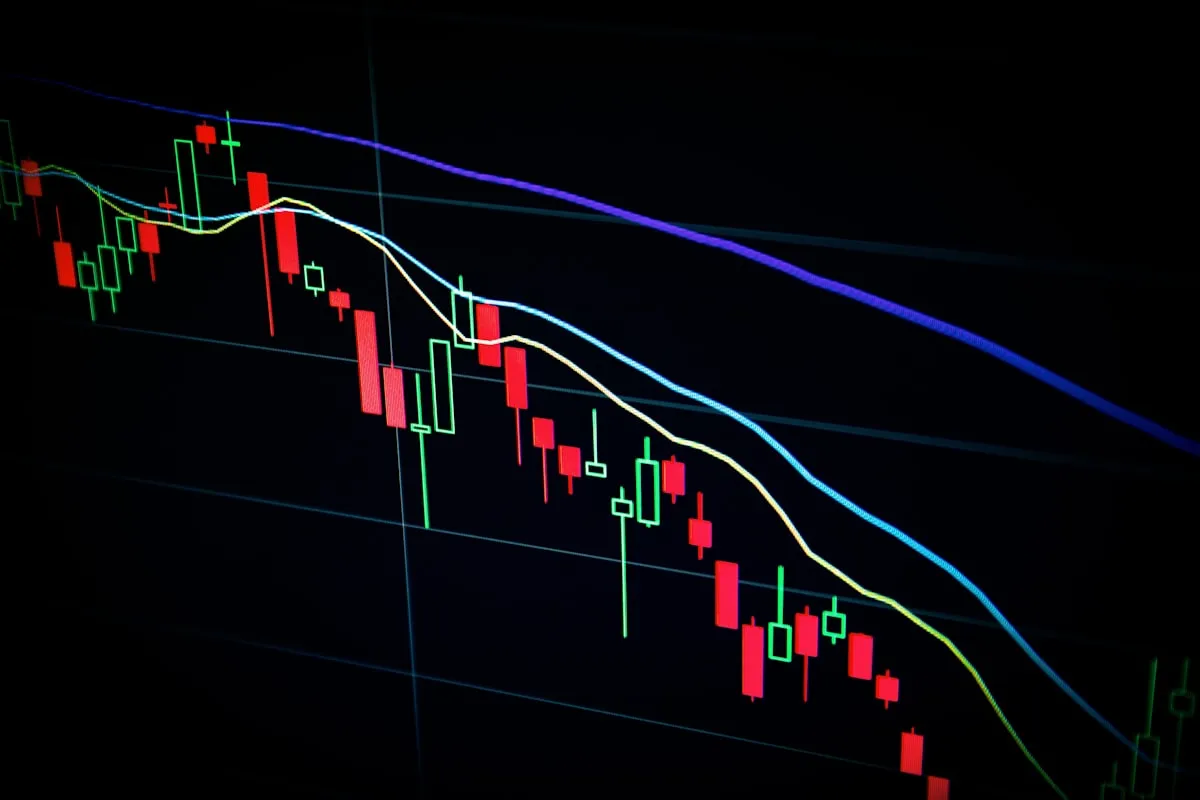
You can trade any stock in milliseconds, get research that cost professionals six figures a generation ago, and run your whole portfolio from a phone. And most people using all of it still underperform a plain index fund.

Robinhood is free because it sells your order flow. It makes its money on activity, and everything in the app is built to produce it. That's how investing quietly becomes gambling.

Buy the same real house in 2005, 2010, 2015, 2020, or 2025 — a $200,000 home in 2005 dollars, indexed for inflation — and hold it to today, versus putting the down payment in the S&P 500 instead. The house wins sometimes. It's closer than the 'never rent' crowd admits.
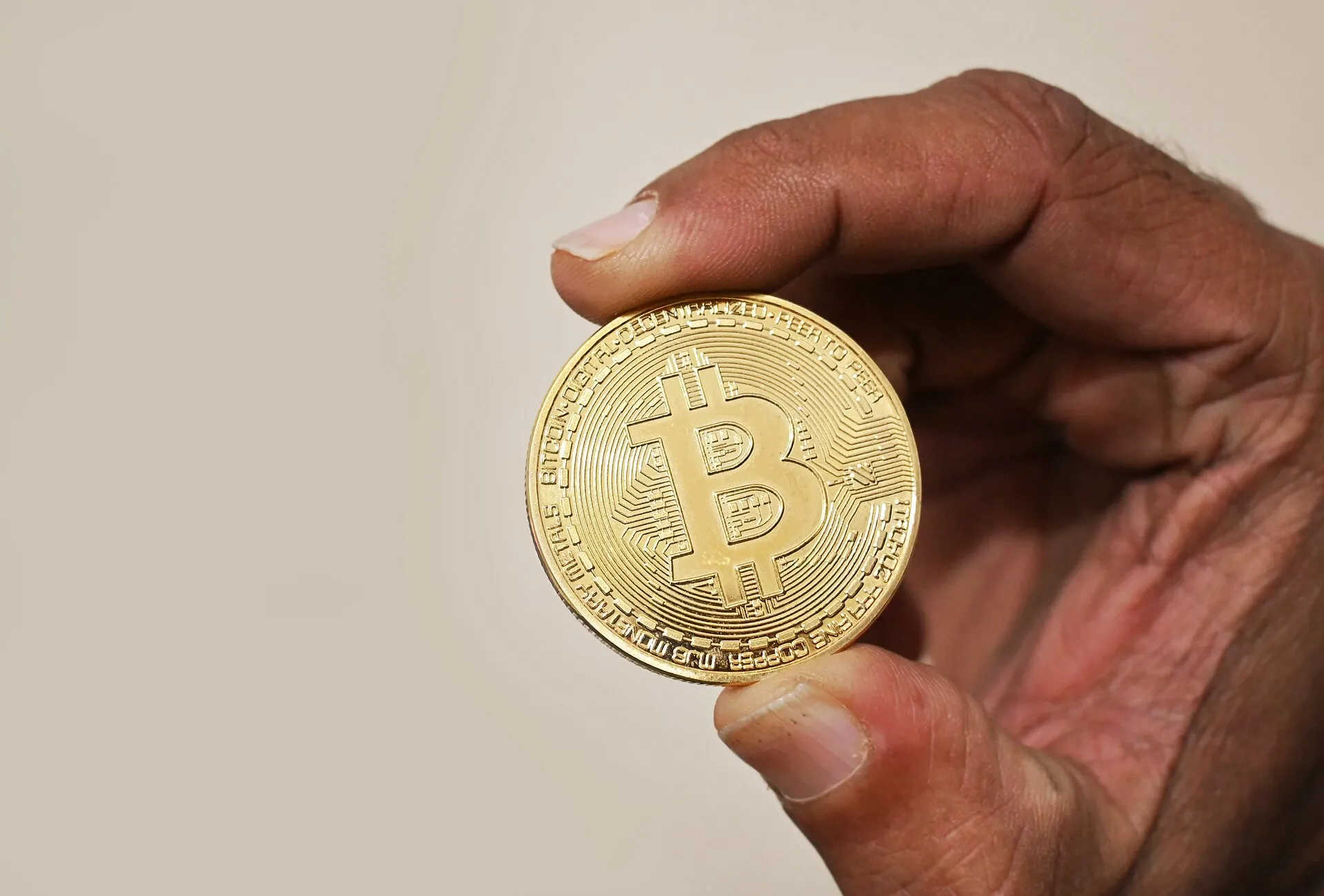
Is bitcoin gambling? Closer to gambling than investing — because it produces nothing. Here's the honest distinction and how to size a stake.
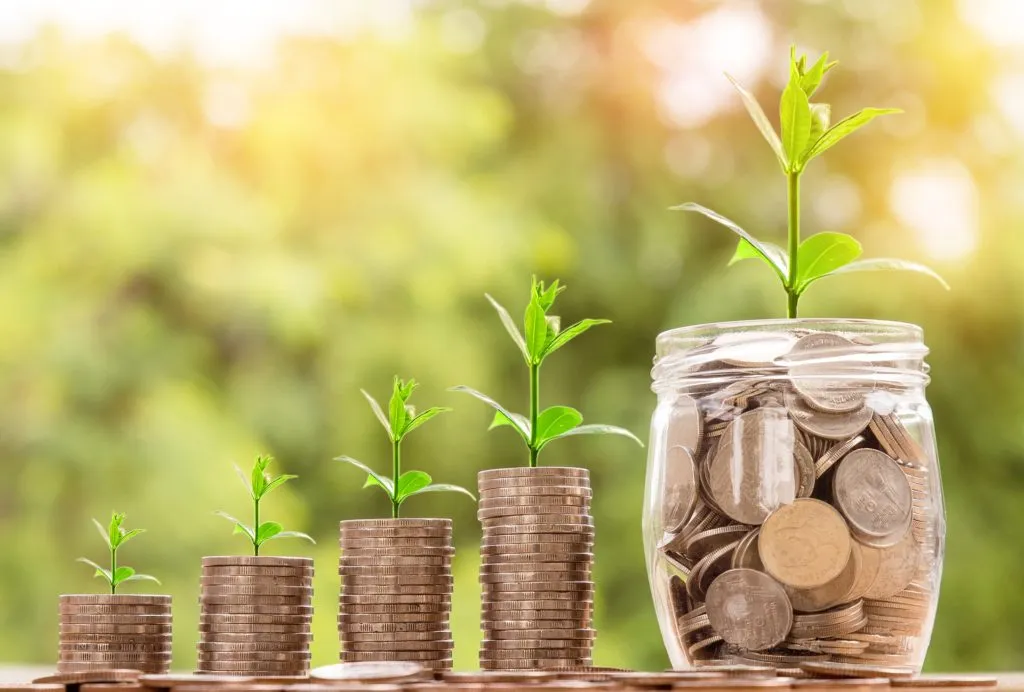
Three concepts decide whether your money grows or quietly shrinks. Here's compounding, inflation, and risk — explained in plain language, no finance degree required.